Many businesses invest significant resources in acquiring new customers, but stop communicating effectively with them immediately after the purchase is completed.
This is one of the biggest mistakes in modern customer experience strategy.
The real relationship with a customer does not begin before the purchase, it begins after it.
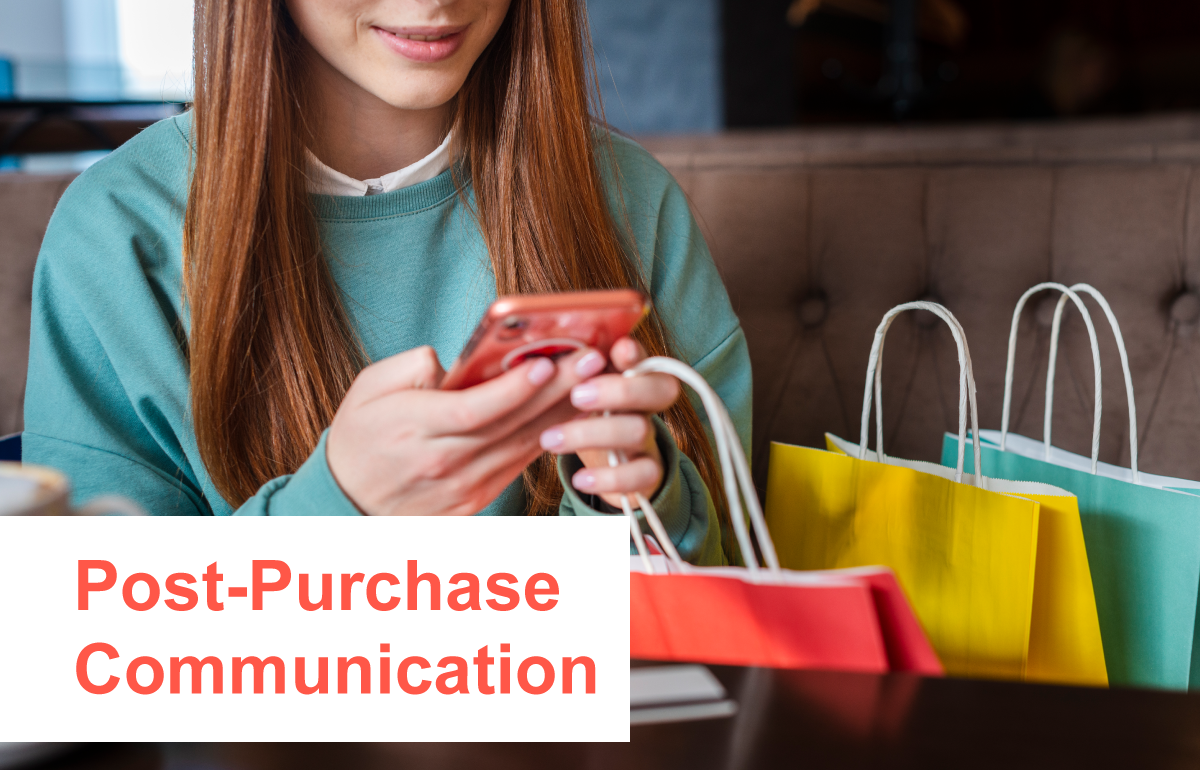
Post-purchase communication is the way businesses inform, support, and engage customers after a purchase or service has been completed. In many cases, it is the factor that determines whether a customer will return again.
What Is Post-Purchase Communication?
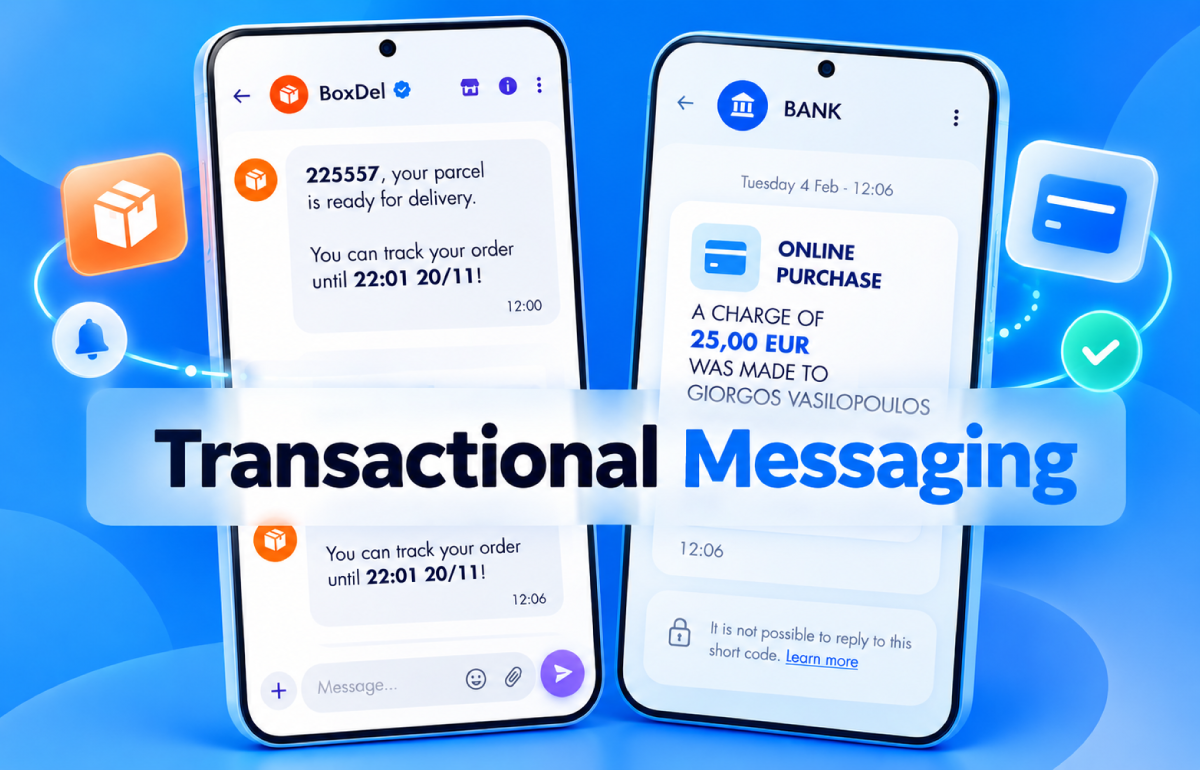
Post-purchase communication includes every type of communication that takes place after a purchase or transaction.
This may include:
- order confirmations
- shipping updates
- usage instructions
- reminders
- customer support messages
- follow-up communication
- feedback or review requests
The goal is not simply to inform customers, but to create a better overall customer experience.
Why It Is So Important
Many businesses treat the sale as the end of the process. In reality, however, it is the beginning of the customer relationship.
Effective communication after the purchase can:
- increase trust in your brand
- reduce customer uncertainty
- minimize support requests
- improve customer retention
- increase the likelihood of repeat purchases
When customers feel informed and supported even after the transaction is completed, their overall experience improves significantly.
The Most Important Stages of Post-Purchase Communication
Post-purchase communication is not a single action, but a sequence of touchpoints.
| Stage | Description | What the customer should know |
|---|---|---|
| 📦 Order Confirmation | The first and most essential communication is the order confirmation. |
This stage immediately reduces uncertainty. |
| 🚚 Shipping Updates | One of the biggest customer pain points is the lack of delivery information. |
|
| 📅 Follow-Ups & Reminders | After a service or delivery is completed, communication should continue. |
This demonstrates that the relationship with the customer does not end after payment. |
| ⭐ Feedback & Reviews | Post-purchase communication is the ideal time to request feedback or reviews. |
|
Which Communication Channels Work Best
Choosing the right channel depends on the type of communication and the urgency of the message.
SMS
Ideal for:
- confirmations
- reminders
- urgent updates
Its high open rate makes it extremely effective.
Viber
Best suited for:
- more interactive experiences
- branded communication
- richer notifications
Most effective when:
- detailed information is required
- additional content or attachments are needed
Voice Communication
Useful for:
- important updates
- support follow-ups
- personalized communication
Common Mistakes Businesses Make
Although post-purchase communication is critical, many businesses still approach it incorrectly.
The most common mistakes include:
- no communication after the purchase
- sending too many notifications
- generic, non-personalized messages
- delayed updates
- inconsistent communication across channels
These issues negatively impact customer experience and reduce customer loyalty.
How to Build an Effective Post-Purchase Strategy
To make post-purchase communication effective, businesses need a structured strategy.
First, it is important to map the post-purchase customer journey and identify the moments where customers need information or support.
Then you can:
- create automated communication flows
- use different channels depending on the scenario
- apply personalization
- measure engagement and response rates
The goal is not to send more messages, but to send more useful and better-timed messages.
Conclusion
Post-purchase communication is one of the most underestimated yet most important parts of the customer experience.
Businesses that continue to communicate effectively after the sale are able to:
- increase customer trust
- reduce support workload
- build customer loyalty
- increase repeat purchases
In a world where customer experience is a major competitive factor, communication after the purchase can become a significant advantage.
Talk to an Expert